
Postnatal Massage in Dubai: Your Path to Recovery and Well-being
The weeks after giving birth are filled with profound change — your body has done something remarkable, and it deserves thoughtful, attentive care in return. Whether you delivered naturally or by caesarean, the physical and emotional demands of early motherhood can leave you feeling depleted, tense, and uncertain about where to begin your recovery.
Many new mothers find it genuinely difficult to compare their options. Which techniques are appropriate at this stage? What should a qualified therapist actually offer? How do services like Aromatherapy Massage, Swedish Massage, Deep Tissue Massage, Four Hands Massage, or a Summer Spa Package fit into a postpartum wellness plan? And where do traditional rituals such as the Moroccan Bath and Hammam or the Royal Hammam belong in that picture? Without a clear guide, it is easy to feel overwhelmed rather than supported.
This page cuts through the uncertainty. It walks you through what to look for, what to expect, and how to evaluate your choices so you can move forward with genuine confidence — not guesswork. You will find practical guidance on timing, technique, safety, and preparation, all framed around what actually matters to a new mother navigating recovery in Dubai.
A practical starting point for postnatal massage.
It is hard to compare scope, fit, and next steps without a clear guide.
This page outlines how to evaluate options and move forward with confidence.
Book your Postnatal Massage in Dubai today and embrace your recovery journey.
Understanding Postnatal Massage
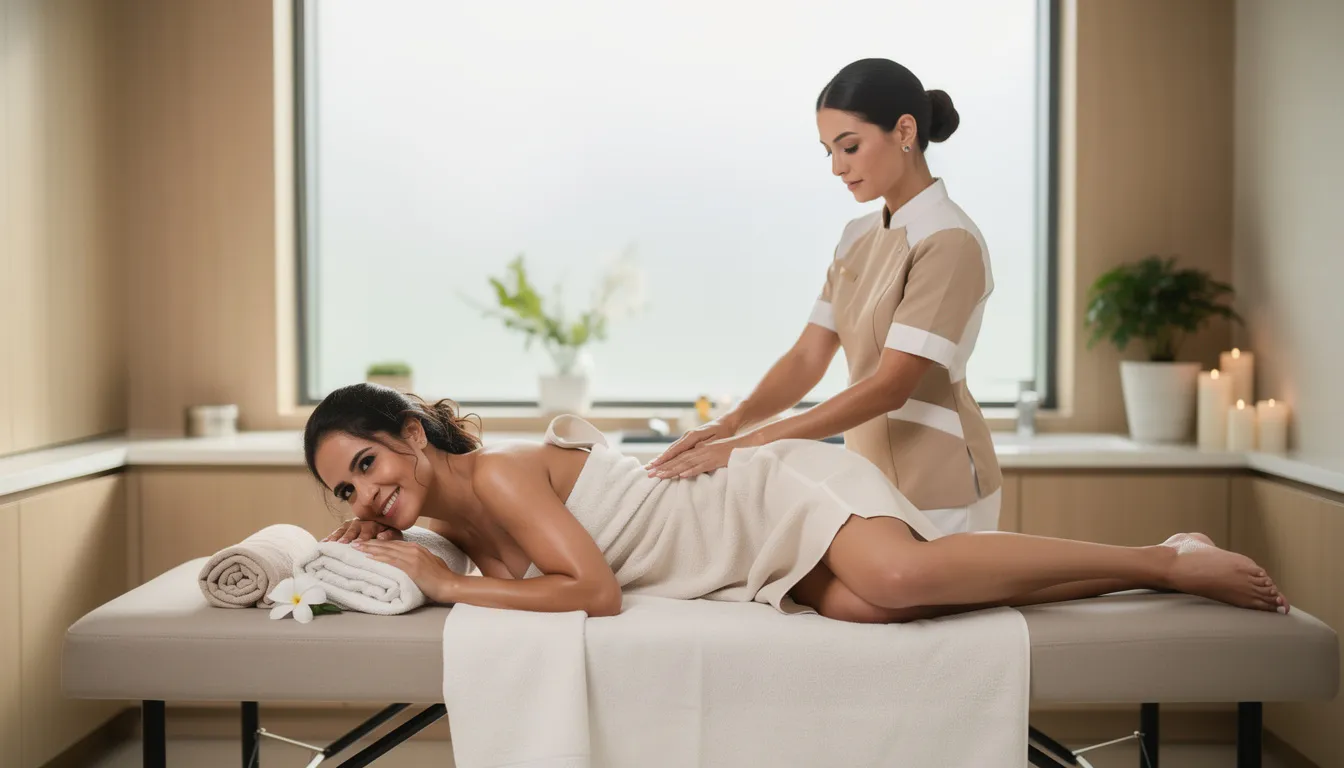
A postnatal massage is a targeted, hands-on therapy designed specifically for women in the weeks and months following childbirth. Unlike a standard relaxation session, it addresses the unique physical changes your body has undergone — from the strain placed on the lower back and pelvis during pregnancy to the muscular fatigue that builds during labour and early newborn care. Therapists adapt pressure, positioning, and technique to suit a body that is still healing, making the experience both safe and deeply restorative when delivered by a qualified professional.
The importance of this therapy for new mothers extends well beyond simple comfort. Carrying and delivering a baby reshapes posture, shifts the centre of gravity, and places sustained demand on muscles that rarely get a chance to rest once a newborn arrives. A structured massage programme helps the body begin to rebalance, supporting tissue recovery and encouraging the nervous system to shift out of the heightened stress state that is common in the early postpartum period.
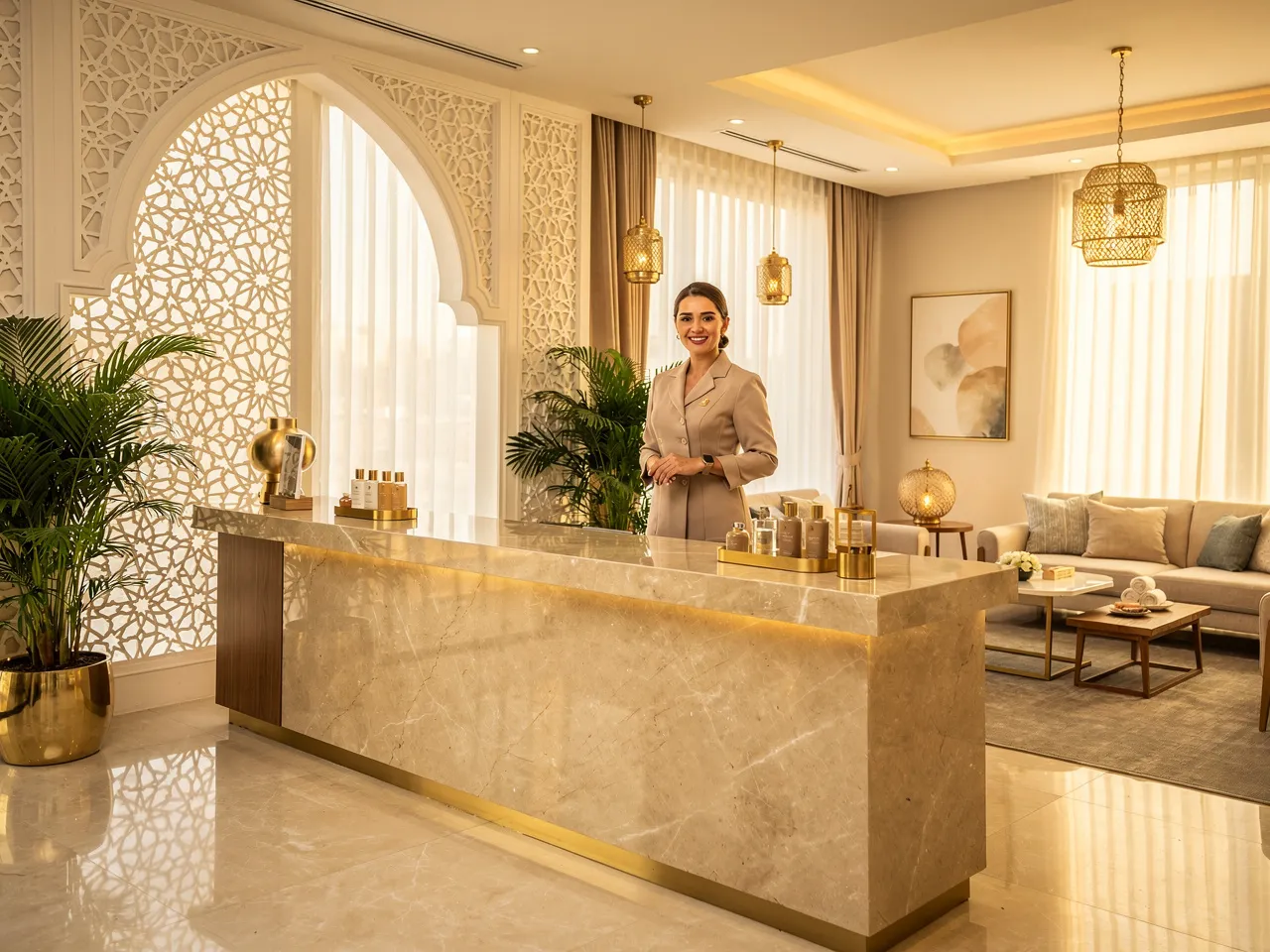
At Trinity Arabic Spa, a luxury wellness sanctuary in Dubai offering signature Arabic massages, traditional hammam, and restorative rituals by expert therapists, postnatal sessions can be tailored to your stage of recovery. For mothers who want an especially thorough release of tension, a Four Hands Massage — where two therapists work in synchronised movements across the body — can be particularly effective at addressing multiple areas of tightness in a single session. Whether you are exploring this option for the first time or returning after a previous pregnancy, understanding what postnatal massage involves helps you choose the approach that fits your recovery goals.
Benefits of Postnatal Massage
New mothers carry a remarkable physical and emotional load in the weeks following birth. A well-structured postnatal massage session addresses several of those burdens at once, making it one of the most practical recovery tools available in Dubai.
Physical Benefits
- Reduced muscle tension: Pregnancy shifts your centre of gravity and strains the lower back, hips, and shoulders. Targeted massage work releases the accumulated tightness in those areas, helping you move more freely during early motherhood.
- Improved circulation: Gentle pressure encourages blood and lymphatic flow, which can reduce postpartum swelling in the legs and ankles — a common complaint in Dubai's warm climate.
- Hormonal balance and milk production: Stimulating circulation and lowering cortisol levels creates a more favourable hormonal environment. Many mothers report feeling more relaxed during feeding sessions after regular massage, which can support a steadier milk supply.
- Abdominal recovery: Careful, qualified work around the abdomen helps the uterus return to its pre-pregnancy position and eases the sensation of core weakness that many new mothers describe.
Emotional and Mental Benefits
- Stress relief: Dedicated time for yourself — away from feeds, nappy changes, and sleep deprivation — lowers anxiety and helps reset your nervous system.
- Better sleep quality: Even short improvements in sleep depth make a measurable difference to mood and energy when you are waking frequently at night.
- Sense of self: Reconnecting with your body in a calm, supportive environment helps many mothers process the significant physical changes that come with childbirth.
Choosing the Right Treatment Style
Not every massage modality suits the postpartum body equally. An Aromatherapy Massage is a popular choice for new mothers because carefully selected essential oils — such as lavender or chamomile — work alongside gentle strokes to calm the nervous system and ease hormonal fluctuations without placing heavy pressure on tissues that are still healing. If you are looking to combine recovery with a broader wellness reset, the Summer Spa Package at Trinity Arabic Spa offers a curated combination of treatments that can be discussed with your therapist to ensure every element is appropriate for your postpartum stage. Talking through your timeline and any specific concerns before booking allows the team to tailor the session so you leave feeling genuinely restored rather than overwhelmed.
When to Start Postnatal Massage
Timing is one of the most important factors new mothers should consider before booking a postpartum massage session. The right window depends on your delivery method, your body's healing progress, and guidance from your midwife or obstetrician.
For mothers who had a straightforward vaginal birth, gentle massage can often begin as early as one to two weeks after delivery, once initial soreness has eased and there are no open wounds or complications. Starting sooner than this carries unnecessary risk, so patience in the first days is genuinely worthwhile.
Mothers who delivered by caesarean section typically need to wait longer — usually a minimum of six weeks — before any abdominal work is introduced. Even then, the incision site must be fully closed and cleared by a healthcare provider before a therapist works near that area. During the early weeks, upper back, shoulder, and leg work can still offer meaningful relief without touching the abdomen.
Regardless of delivery type, the intensity of the technique matters as much as the timing. A Deep Tissue Massage targeting deeper muscle layers is generally not appropriate in the first few weeks postpartum, when tissues remain sensitive and hormonal changes keep ligaments looser than usual. Therapists experienced in postnatal care will typically begin with lighter pressure and only progress to firmer work once the body signals readiness over subsequent sessions.
- Vaginal birth: Light massage from approximately one to two weeks post-delivery, subject to no complications.
- Caesarean birth: Wait at least six weeks; avoid abdominal work until your doctor confirms the incision has healed fully.
- Ongoing check-ins: Communicate openly with your therapist at every session — your comfort threshold may shift week to week as recovery progresses.
- Red flags to pause: Fever, unusual swelling, or increased pain after a session are signals to consult your healthcare provider before continuing.
When you are ready to begin, choosing a wellness sanctuary staffed by experienced therapists — such as Trinity Arabic Spa, a luxury wellness sanctuary in Dubai offering signature Arabic massages, traditional hammam, and restorative rituals by expert therapists — means your recovery is guided by practitioners who understand how to adapt each session to your current stage of healing.
Techniques Used in Postnatal Massage
Choosing the right massage technique after childbirth matters more than many new mothers realise. The postpartum body is still healing, so therapists draw on a range of methods, adjusting pressure and focus based on how far along your recovery is and whether you delivered vaginally or by caesarean.
Swedish Massage for Gentle Recovery
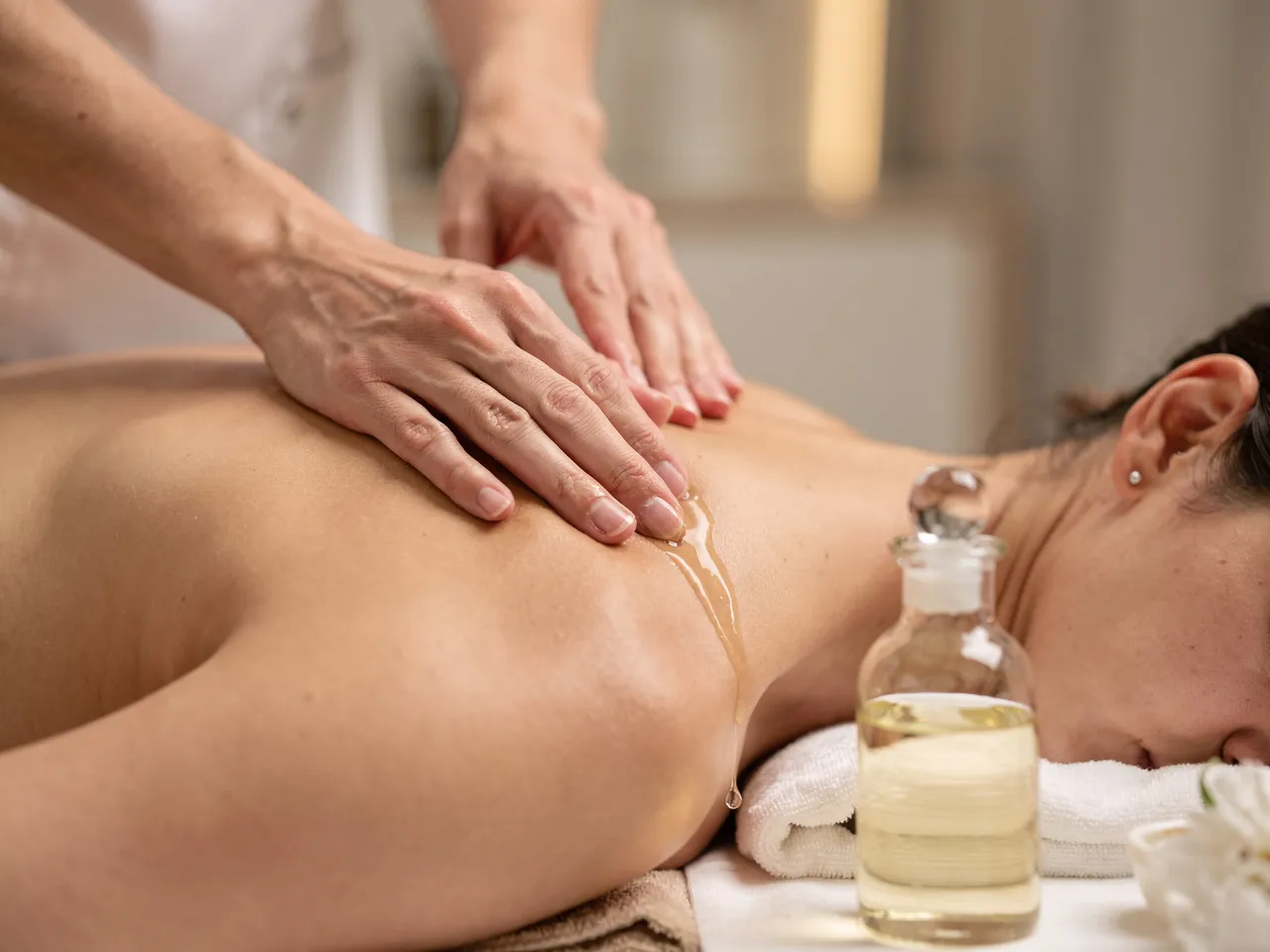
A Swedish Massage is one of the most widely recommended approaches in the early postpartum weeks. It uses long, flowing effleurage strokes and gentle kneading to ease muscle stiffness, encourage lymphatic drainage, and calm an overstimulated nervous system. Because the pressure remains moderate and the movements follow the direction of blood flow back to the heart, it supports circulation without placing strain on tissues that are still knitting back together.
Targeted Deep Tissue Work
Once your therapist confirms that initial healing is well underway — typically several weeks after a straightforward vaginal birth or longer after a caesarean — Deep Tissue Massage can address deeper layers of muscle tension. New mothers frequently carry chronic tightness in the shoulders, upper back, and hips from feeding positions and carrying their baby. Slow, deliberate strokes reach the connective tissue beneath the surface, releasing adhesions that lighter techniques cannot fully resolve.
Aromatherapy as a Complementary Layer
Many therapists combine bodywork with an Aromatherapy Massage, blending carefully selected essential oils into the carrier oil used during the session. Lavender and chamomile are common choices for their calming properties, while oils such as geranium are sometimes used to support hormonal balance. The aromatic element adds a sensory dimension that can meaningfully reduce anxiety and improve sleep quality — two areas where postpartum recovery is often most fragile.
Four Hands Technique for Deeper Relaxation
A Four Hands Massage, where two therapists work in synchronised movements across the body simultaneously, creates a deeply immersive experience. The brain struggles to track two sets of hands at once, which encourages a faster and more complete state of relaxation. For mothers dealing with significant stress or sleep deprivation, this technique can achieve in one session what might otherwise take several standard appointments.
Hammam Rituals as Restorative Preparation
Some mothers find that beginning with a Moroccan Bath and Hammam or a Royal Hammam ritual before their massage enhances the overall result. Steam softens the skin, opens pores, and relaxes superficial muscle tension, allowing subsequent massage strokes to penetrate more effectively. The exfoliation step also removes the dry, dull skin that commonly appears in the weeks after delivery due to hormonal shifts.
Seasonal and Combination Packages
If you are planning a longer wellness visit, a Summer Spa Package can bundle several of these techniques into a single appointment, giving you access to both preparatory rituals and targeted massage work without needing to book each element separately. This is a practical option for mothers who have limited windows of time away from their newborn and want to maximise the benefit of each visit.
Whatever technique you choose, always inform your therapist about your delivery method, any incision sites, and any areas of ongoing discomfort before the session begins. A skilled therapist will adapt their approach accordingly, ensuring every movement supports rather than disrupts your recovery.
Is Postnatal Massage Safe?
For most new mothers, a professionally delivered postpartum massage is safe and well-tolerated, but a few important considerations should guide your decision before booking. The key factor is working with a qualified therapist who understands the physiological changes that follow childbirth — from fluctuating hormone levels to healing tissue and altered circulation patterns.
If you delivered vaginally without complications, gentle massage can typically begin within the first one to two weeks, provided your care provider has given the go-ahead. For mothers who had a caesarean section, it is advisable to wait until the incision site has sufficiently healed — usually four to six weeks — and to inform your therapist so they can avoid direct pressure near the scar.
Contraindications to Discuss with Your Therapist
- Blood clots or deep vein thrombosis (DVT): Postpartum women carry a temporarily elevated risk; if you notice unusual leg swelling or pain, seek medical clearance first.
- Skin infections or open wounds: Any unhealed area should be avoided during treatment.
- Severe postpartum hypertension: Inform your therapist of any blood pressure concerns so pressure and technique can be adjusted accordingly.
- Fever or active infection: Reschedule until you have fully recovered.
Beyond these precautions, the choice of treatment also matters. Deeply stimulating heat-based experiences such as a Moroccan Bath and Hammam are generally not recommended in the early postpartum weeks, as intense heat can affect blood pressure and hydration levels in a body that is still recalibrating. Your therapist should walk you through which services are appropriate for your specific stage of recovery before any session begins.
At Trinity Arabic Spa, therapists are experienced in adapting techniques to each client's condition, ensuring that every session respects your body's current needs rather than applying a one-size-fits-all approach. Always communicate openly about your birth experience, any medications you are taking, and how you are feeling on the day — this transparency allows your therapist to deliver care that is both effective and genuinely safe.
Preparing for Your Postnatal Massage
A little preparation before your first postpartum massage session makes a meaningful difference in how much you benefit from the experience. Arriving informed and ready lets your therapist focus entirely on your recovery rather than spending time on avoidable logistics.
Before You Arrive
- Eat lightly: Have a small meal or snack around an hour beforehand. A full stomach can make lying on your side uncomfortable, while arriving hungry may leave you feeling lightheaded after the session.
- Hydrate well: Drink water in the hours leading up to your appointment, especially if you are breastfeeding, as massage encourages fluid movement through the tissues.
- Bring your medical notes if relevant: If you had a caesarean section or any birth complications, bring a brief summary so your therapist can adapt pressure and positioning accordingly.
- Arrange childcare: Even a short window without interruption allows you to relax fully and absorb the restorative effects of the session.
What to Expect During the Session
Your therapist will begin with a short consultation to understand your birth experience, any areas of discomfort, and your preferred pressure level. For new mothers, positioning is adjusted throughout — side-lying and semi-reclined positions are commonly used to protect the abdomen and support comfort. Communicate openly if anything feels too intense or not intense enough; a skilled therapist will adapt in real time.
If you are exploring broader wellness options alongside your recovery massage, Trinity Arabic Spa offers a range of complementary treatments. The Royal Hammam is a traditional full-body ritual that combines steam, exfoliation, and cleansing — an experience many mothers find deeply restorative once their therapist confirms they are ready for it. Other options such as Aromatherapy Massage, Swedish Massage, Deep Tissue Massage, Four Hands Massage, Moroccan Bath and Hammam, and the Summer Spa Package can each be discussed with your therapist to find the right fit for where you are in your postpartum recovery.
After Your Session
Plan to rest for at least thirty minutes after your appointment rather than rushing back to daily demands. Drink an additional glass of water to support the body's natural process of clearing metabolic waste mobilised during the massage. Mild fatigue or emotional release is entirely normal and typically resolves within a few hours, leaving you feeling noticeably lighter and more settled.